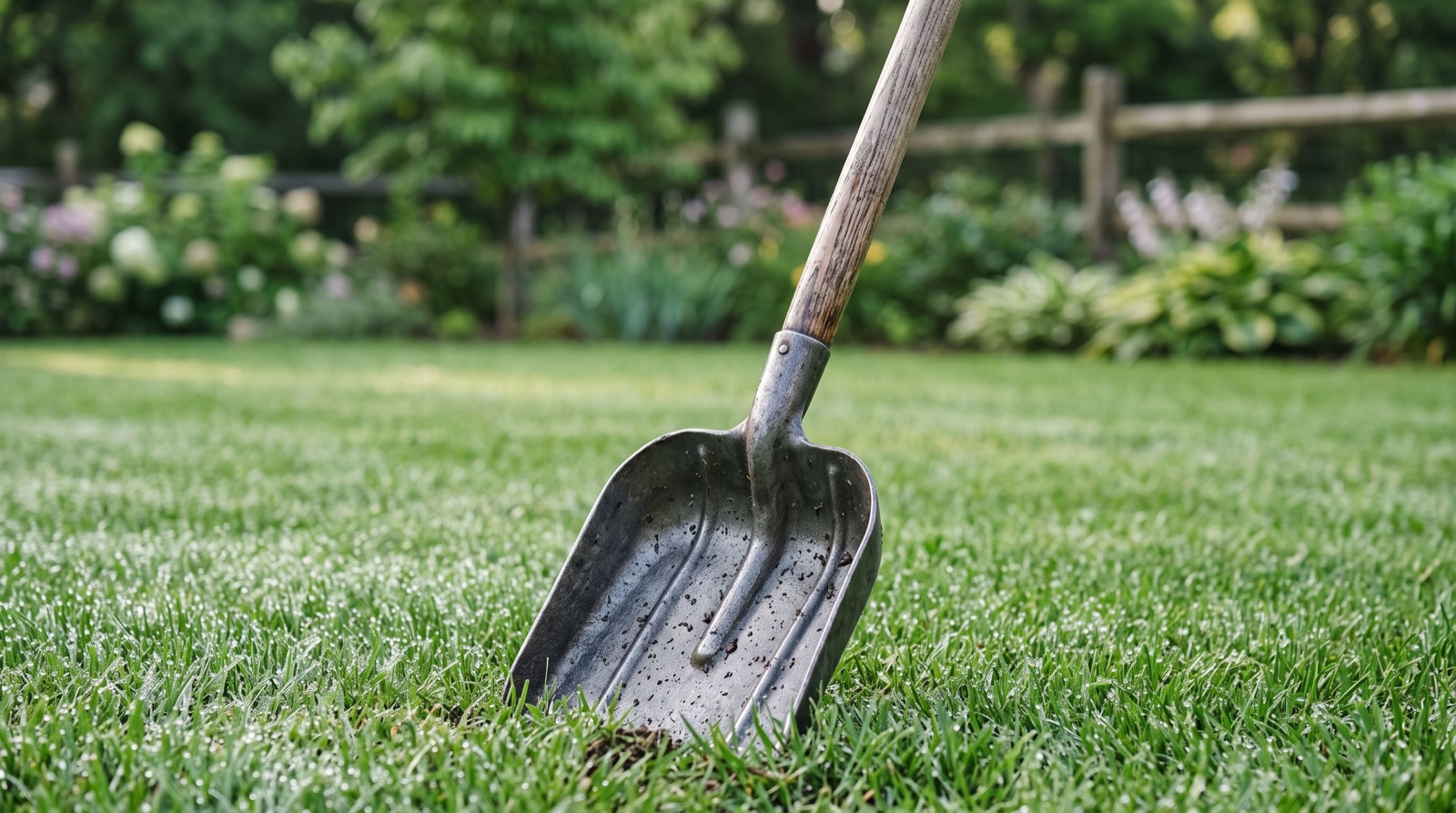
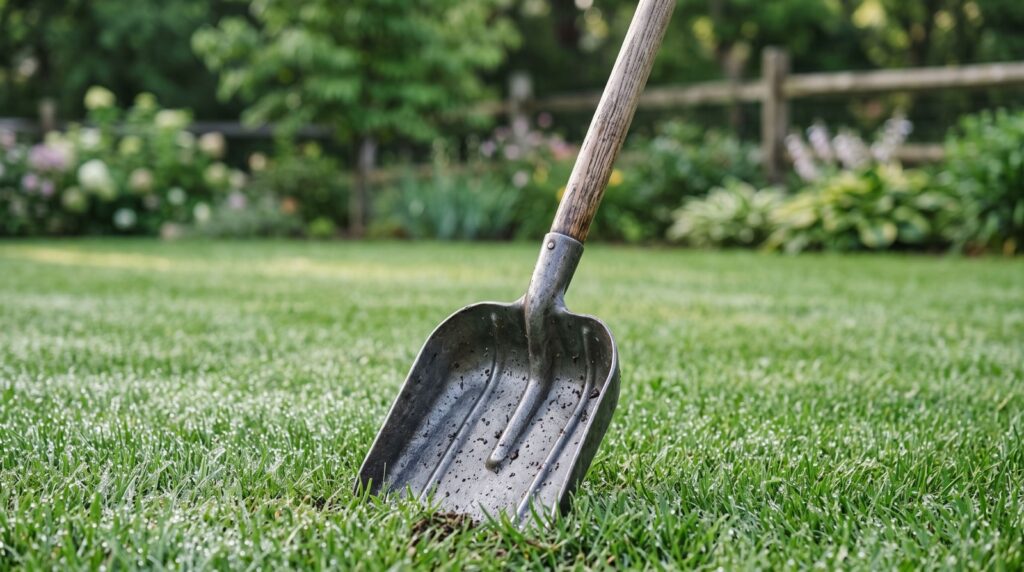
Metal Pooper Scooper vs Plastic: Which Lasts Longer in 2026?
Every dog owner eventually faces the same aisle decision: the cheap plastic scoop or the sturdier metal one. It seems minor until the plastic hinge snaps on a cold morning and you are left holding a broken tool over a fresh mess. Choosing a metal pooper scooper up front saves money, frustration, and a surprising amount of your time.
This head-to-head breaks down materials, longevity, and real-world performance so you can buy once and stop replacing tools every few months. By the end, you will know exactly which build fits your dog and your yard in 2026.
Why Material Choice Decides Everything
A pooper scooper lives a hard life. It sits in the sun, freezes overnight, drags across gravel, and lifts heavy, wet loads. Material is the single biggest predictor of how long it survives that punishment.
Plastic flexes and grows brittle with ultraviolet exposure. Metal, by contrast, holds its shape and shrugs off temperature swings. That difference shows up fast in daily use.
The case for metal
- Rigid jaw: a metal edge cuts cleanly through grass without bending.
- Cold tolerance: steel and aluminum stay strong when plastic cracks.
- Load capacity: heavy waste from big dogs never overwhelms it.
- Longevity: a quality metal tool can last a decade with basic care.
When you invest in a Pooper Scooper metal design, you trade a slightly higher upfront price for years of dependable service.
Head-to-Head: Metal Pooper Scooper vs Plastic
Numbers tell the clearest story. The table below compares the two materials across the factors that actually affect your daily routine.
| Factor | Metal Scooper | Plastic Scooper |
|---|---|---|
| Typical lifespan | 5 to 10 years | 6 to 18 months |
| Cold-weather use | Excellent | Prone to cracking |
| Load strength | Heavy loads | Light loads |
| Upfront cost | Higher | Lower |
| Cost over 5 years | Lower | Higher (frequent replacement) |
Spread across five years, the metal tool almost always wins on total cost. You buy it once instead of replacing plastic three or four times.
Where plastic still makes sense
Plastic is not useless. For a small dog, occasional travel, or a spare kept in the car, a lightweight plastic scoop is convenient and cheap. The trouble starts when it becomes your only daily tool for a large, active dog.
Does a Metal Scooper Really Save Money Over Time?
This is the question skeptics always ask, and the math is convincing. A plastic scoop that fails twice a year costs you replacements, trips to the store, and the annoyance of a broken tool mid-job. A single metal scooper eliminates all three.
Durability also has an environmental payoff. Fewer discarded tools means less plastic in landfills, which matters as more owners weigh sustainability. The American Kennel Club offers broader guidance on responsible dog ownership at the AKC expert advice hub.
Pairing the tool with the right bags
Even the best scooper needs strong bags to finish the job. Loading waste into heavy duty bags prevents the tears and leaks that ruin an otherwise clean routine, especially with heavier loads.
Caring for a Metal Scooper So It Lasts
A metal tool rewards a little maintenance with years of service. The routine takes minutes and prevents the only real enemy of metal: rust.
- Rinse the jaw after heavy use to remove residue.
- Dry it or store it under cover to slow corrosion.
- Wipe with diluted disinfectant weekly for hygiene.
- Add a drop of oil to any hinge once a season.
Follow those steps and your scooper stays sharp, clean, and ready. If your property needs a full reset after a busy season, an experienced local team can deep-clean the yard while you maintain it from there.
A durability tip owners overlook
Store the scooper hanging rather than standing on its jaw. Constant ground contact traps moisture and speeds rust at the very edge you rely on most. A simple wall hook doubles the working life of a good tool.
Matching the Tool to Your Dog
Breed size drives the decision more than anything. A toy breed rarely stresses even a cheap scoop, while a working dog demands metal from day one. Be honest about your dog’s output before you buy.
Ground surface matters too. Gravel and hard-packed dirt chew through plastic edges quickly, so metal is the practical pick for rough terrain.
Understanding the Metals: Steel vs Aluminum
Not all metal scoopers are the same, and the choice between steel and aluminum affects both weight and longevity. Steel offers maximum strength and a heavier, planted feel that many owners of giant breeds prefer. Aluminum trades a little rigidity for a lighter tool that is easier to swing through a large yard.
Both resist the cold far better than plastic, so either beats a budget scoop in winter. The decision comes down to how much weight you want to lift and how heavy your dog’s loads tend to be.
Quick metal comparison
- Steel: heaviest and strongest, ideal for giant breeds and rough ground.
- Aluminum: lighter and rust-resistant, ideal for daily use and larger yards.
- Coated finishes: add corrosion protection to either metal.
- Powder-coated handles: improve grip and comfort in cold weather.
Whichever metal you pick, the jaw edge matters most. A clean, well-aligned edge scoops in one pass and lasts for years, while a warped or dull edge smears waste and frustrates every use. Inspect that edge before you buy.
Weight also affects who can use the tool. In households where several family members share cleanup duty, a lighter aluminum scooper suits everyone, including kids and older adults. Match the metal to the strongest and weakest hands that will actually hold it, and the whole family stays on board with the routine.
Frequently Asked Questions
Is a metal pooper scooper better than plastic?
For daily use and larger dogs, yes. Metal resists cold, handles heavy loads, and lasts years longer, which makes it cheaper over time despite the higher upfront price.
How long does a metal pooper scooper last?
With basic care such as rinsing and dry storage, a quality metal scooper commonly lasts five to ten years. Preventing rust is the key to reaching the upper end of that range.
Will a metal scooper rust?
It can if left wet and stored on the ground, but coated or anodized finishes resist corrosion well. Rinsing, drying, and hanging the tool keeps rust away for years.
Do small dogs need a metal scooper?
Not necessarily. Small breeds produce light waste that plastic handles fine, so a metal tool is optional. Owners of large or multiple dogs benefit most from the upgrade.
Conclusion: Buy Once, Scoop for Years
The verdict is clear: a metal pooper scooper outlasts plastic, saves money over five years, and handles cold weather and heavy loads without complaint. Pair it with tough bags and a quick maintenance habit, and your cleanup routine stays reliable all through 2026. Ready to stop replacing broken scoops? Choose a durable metal tool today and make it the last one you buy.