Best Tutors in Islamabad: How to Choose the Right One in 2026
Finding the best tutors in Islamabad in 2026 means wading through institutes, freelance listings, and online marketplaces that all claim to offer “expert” instruction. The city genuinely does have a strong pool of qualified language teachers, but quality varies enormously, and the wrong choice costs more than money — it costs months of plateaued progress before a learner realises the course isn’t working.
What Makes Islamabad a Hub for Quality Language Tutors in 2026
Islamabad’s concentration of diplomatic missions, international NGOs, and universities has created unusually deep demand for English, French, German, and Mandarin instruction compared to other Pakistani cities. That demand has, in turn, attracted genuinely qualified instructors — many holding CELTA, TEFL, or equivalent certifications — rather than the informal “I speak it fluently so I can teach it” tutors common elsewhere.
The flip side is that the same demand has pulled in a wave of under-qualified tutors riding the trend, which makes careful vetting more important in 2026 than it was even two or three years ago.
How Do I Actually Know If a Tutor Is Good Before Paying?
Ask for a trial lesson and pay attention to three things: does the tutor assess your level before teaching, do they correct you in real time rather than only at the end, and do they give you something concrete to practise before the next session. A tutor who simply chats pleasantly for 30 minutes without structure is not teaching — they are socialising.
Vetting Credentials Before You Commit a Full Term
Request proof of teaching certification, ask how long they have taught the specific level you’re at, and ask for a sample of a previous student’s progress, anonymised if needed. Serious learners researching the best tutors in Islamabad should treat this the way they would vet any paid professional service — credentials, references, and a trial lesson before a long-term commitment.
Online Language Classes vs In-Person Lessons: What’s Actually Better in 2026
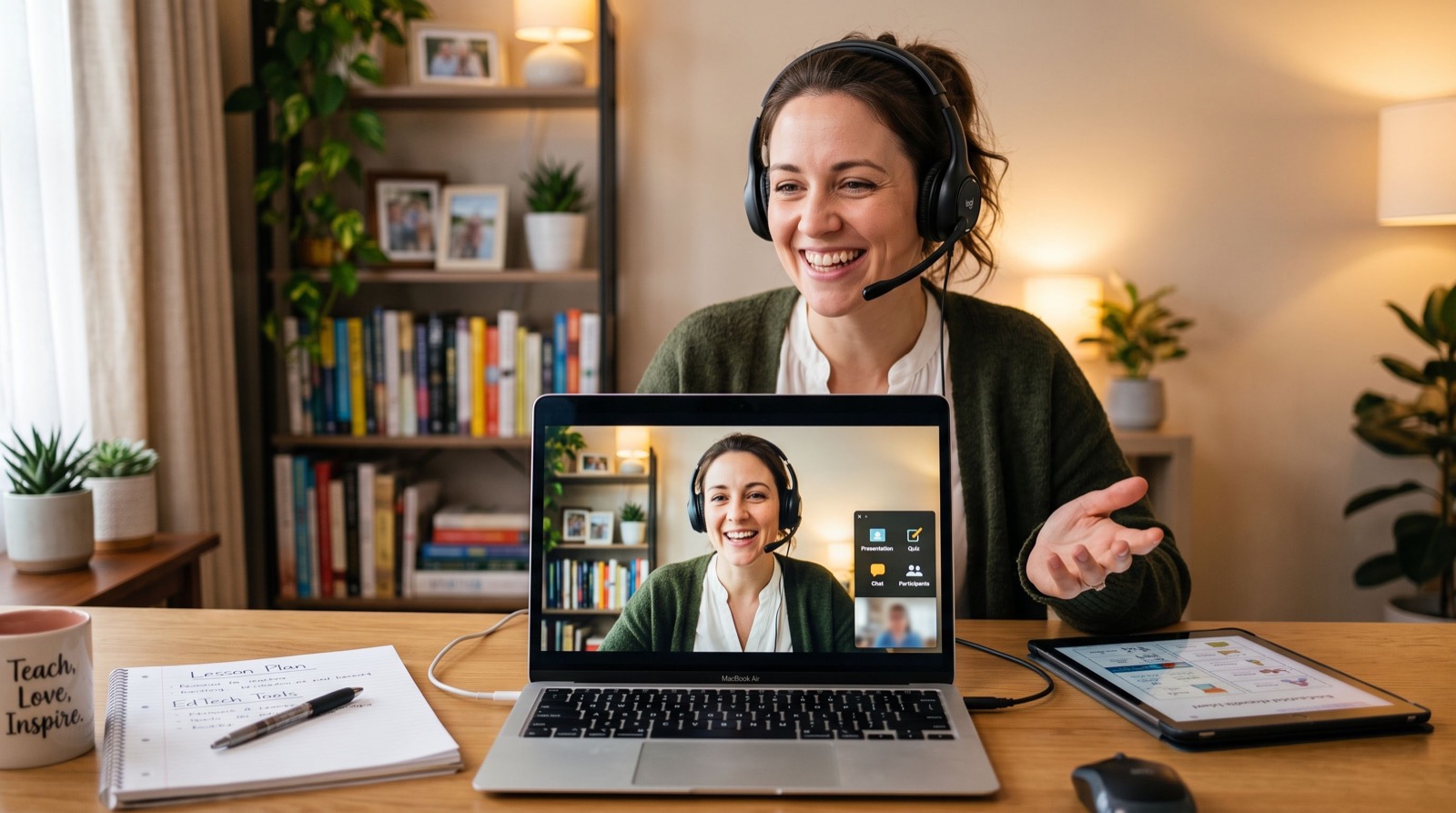
In-person classes still have an edge for total beginners who benefit from physical classroom energy, but for everyone else, the gap has nearly closed. Well-run online language classes now offer better scheduling flexibility, recorded sessions for review, and often a lower cost per hour than driving across Islamabad traffic to an institute twice a week.
| Tutor Type | Typical Cost | Flexibility | Best Fit |
|---|---|---|---|
| Freelance online tutor | Moderate | High | Working professionals |
| Institute-affiliated tutor | Higher | Medium | Exam-focused students |
| Corporate language trainer | Billed per team | Low-Medium | Company staff training |
| App-based AI tutor | Low | Very High | Casual vocabulary practice |
The Tech Setup Behind a Good Online Class
A great tutor cannot save a lesson that keeps freezing because of a weak internet connection. Islamabad’s residential broadband is generally solid, but tutoring over video calls — especially for pronunciation correction — needs a genuinely stable upload speed, not just a fast download number on a speed test. Learners who travel for work, or live in areas with inconsistent fibre coverage, often supplement their home connection with a portable Wi-Fi device as backup for lesson days.
Getting that kind of setup right the first time usually means working with an experienced local team that understands which devices actually hold a stable connection during a live video call, rather than guessing based on marketing specs alone — a dropped connection mid-lesson wastes a tutor’s correction and breaks the learner’s speaking momentum right when it matters most.
- Test your upload speed, not just download, before your first lesson.
- Use a wired headset rather than a phone speaker for accurate pronunciation feedback.
- Keep a backup connection option ready for lesson days.
- Join five minutes early to confirm video and audio before the tutor’s time is spent troubleshooting.
- Record sessions, with permission, to review pronunciation corrections afterward.
What a Proper Trial Lesson Should Actually Look Like
A trial lesson is where most of the useful information about a tutor surfaces, but only if you know what to watch for. A good trial starts with the tutor asking about your goals — exam, travel, work, or general fluency — rather than launching straight into generic material. It should include a short, informal assessment of your current level, at least one moment of real-time correction, and a clear explanation of what a full course with this tutor would look like week to week.
Red flags during a trial include a tutor who talks for most of the session without letting you speak, vague answers about how progress will be tracked, and reluctance to commit to a specific number of sessions per week. None of these are dealbreakers on their own, but two or more together are a reasonably strong signal to keep looking.
It is also worth asking directly how the tutor handles a learner who falls behind on homework for a week — a thoughtful answer here says more about their actual teaching philosophy than any credential on a CV.
What Language-Teaching Research Says About Tutor Quality
Assessment frameworks published by Cambridge English consistently show that structured correction and level-appropriate pacing — the hallmark of a properly trained tutor — produce measurably faster progress than unstructured conversation practice alone. This is the clearest evidence-based reason to prioritise credentials over price when picking a tutor in 2026.
Frequently Asked Questions
How do I find the best tutors in Islamabad without wasting money on trial lessons?
Start with tutors who publish verifiable certifications and ask for one trial lesson before committing to a package — reputable tutors rarely object, and a single trial costs far less than a wasted term.
Are online language classes suitable for exam preparation like IELTS or PTE?
Yes, and in many cases they are better suited, since tutors can share screen-based practice materials and timed mock sections directly during the session.
What qualifications should a good tutor actually have?
Look for CELTA, TEFL, TESOL, or a relevant university degree in the target language, combined with demonstrable experience teaching your specific proficiency level.
How many hours per week are needed to see real progress?
Most learners see measurable improvement with 3 to 5 hours per week combining live tutoring and independent practice, sustained over at least two to three months.
What happens if my tutor cancels a session at short notice?
Reputable tutors and institutes offer a clear make-up policy, usually a rescheduled session within the same week. Ask about this upfront — a vague or dismissive answer here is a reliable early warning sign.
Final Thoughts
The best tutors in Islamabad in 2026 are the ones willing to prove their method with a trial lesson, back their teaching with real credentials, and adapt their pace to the learner rather than running a one-size-fits-all script. Pair that tutor with a stable tech setup, and most motivated learners can expect genuine, measurable progress within a single term.